



The Goods Unite Us team asked Anthropic’s Claude over the weekend which five U.S. publicly traded companies would benefit the most from the U.S.’s new war in Iran.
Here’s what Claude said:
1. Lockheed Martin (LMT) — As the maker of F-35s, missile defense systems (THAAD, PAC-3), and precision munitions, LMT would see massive order backlogs from both the U.S. and Israel (a major LMT customer). Iran conflict would accelerate allied rearmament globally.
2. RTX Corporation (RTX) — Makes Patriot missile systems, which are central to Iran defense scenarios, plus Raytheon’s Tomahawk cruise missiles and air defense systems. Extremely relevant to this specific threat environment.
3. Northrop Grumman (NOC) — B-21 stealth bombers, electronic warfare systems, and cyber capabilities would all be in high demand. Iran’s air defense network makes stealth/electronic warfare critical.
4. General Dynamics (GD) — Munitions, naval systems (Iran’s threat to the Strait of Hormuz would require naval buildup), and armored vehicles.
5. Cheniere Energy (LNG) — On the energy side, a conflict closing the Strait of Hormuz would spike global LNG prices dramatically, benefiting U.S. LNG exporters who would face surging demand from Europe and Asia seeking non-Persian Gulf supply.
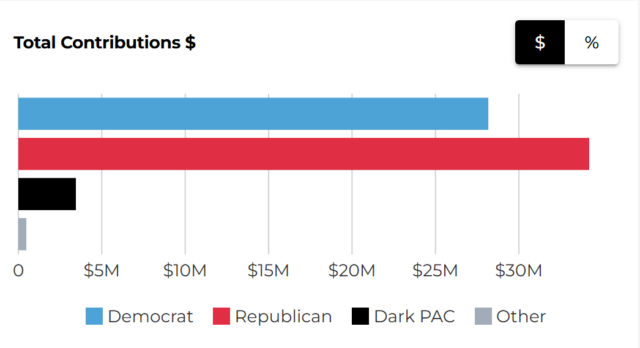
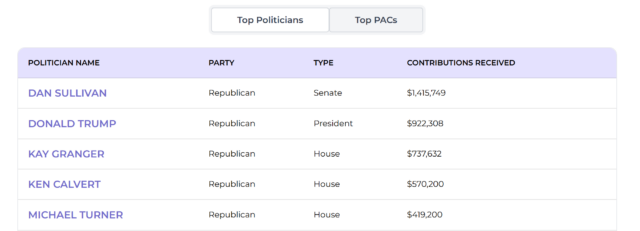
We then went to Goods Unite Us’s new product, IndexAlign, to vet the collective political giving of these companies.
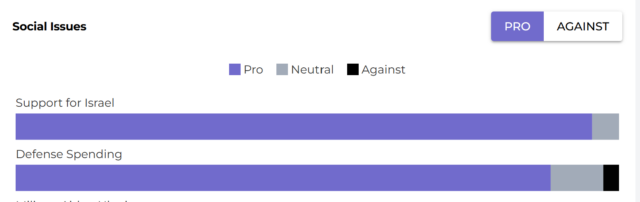
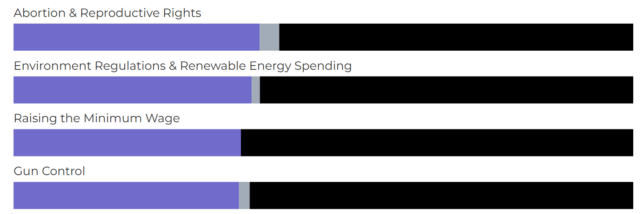
Here are the voting records and political party affiliations of the politicians these companies and their senior executives have been contributing to at the federal level:




Our democracy should not allow companies and their executives to legally buy favor with our government leaders.
But it does.
Which means, unfortunately, right now the only way to fight money in politics is by paying attention to where your money is going in the economy, and not letting it get to the politicians you don’t agree with.